Showtime, Moonrise: The Indie Cinemas Scheduling Around the Sky
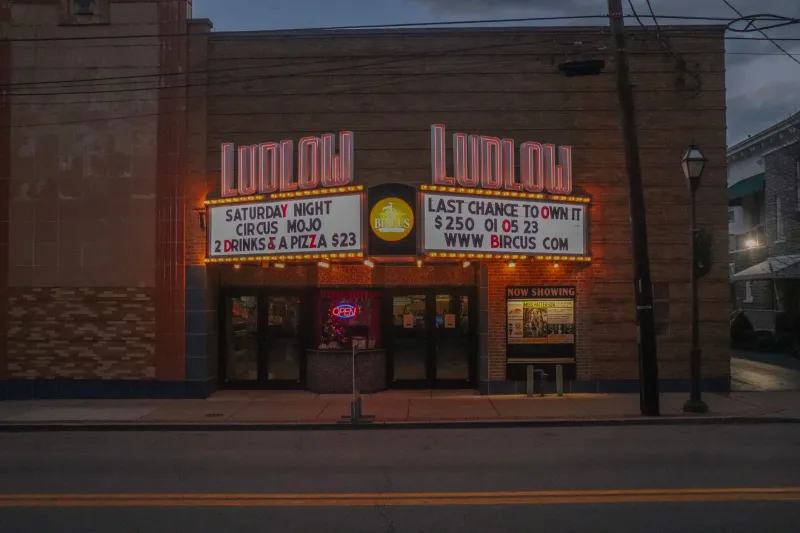
On a recent full-moon Friday in Portland, Oregon, the line outside The Lantern Cinema curled past a bakery and a closed bike shop. Nobody seemed to mind. The draw was not a new release but a lunar one: a three-film horror marathon pegged to the moonrise, with red flashlights, a courtyard tea table, and a strict no-phones rule once the projector started. The event sold out in four days.
That kind of scheduling is becoming a quiet experiment across the U.S. repertory circuit. Instead of treating the moon as decoration, a handful of independent exhibitors are using lunar phases as a curatorial prompt—and, just as important, as a recurring appointment for audiences who are tired of algorithmic feeds and opening-night crowds. The results are uneven, occasionally chaotic, and often charming.
Three Rooms, Three Moons
The Lantern, a 140-seat art-house in Portland, runs its full-moon horror series roughly every four weeks. Programmer Maya Chen says the phase gives her a container: she can book strange, older titles that would flop on a random Tuesday. “A full moon is a permission slip,” she said. “People come in expecting to be a little unwell. That is the point.” The theater keeps concessions simple—popcorn, cider, a pot of herbal tea—and partners with a local astronomy club to set up a telescope in the alley after the last credits.
In Austin, The Marigold has gone the other direction. Its new-moon silent-film nights are deliberately dark: no trailer reel, no pre-show banter, just a restored silent feature with a live score by a rotating group of local musicians. Tickets are $15, and the theater caps attendance at 90 to keep the room feeling like a living room. The economics are lean but workable. Silent titles often carry lower licensing fees, and the live score is a collaboration rather than a hire. The Marigold also sells a $10 “dark room” membership add-on that includes a monthly program note and a seat held until ten minutes before showtime.
Outside Asheville, North Carolina, the Skyline Drive-In takes a looser approach. Its waning-crescent documentary series pairs one nonfiction feature with a 30-minute guided conversation under the screens. Cars pay by the load, not the head, and the FM transmitter carries a low-key host who asks three questions before the film and one after. Weather is the wild card. A cloudy night can erase the moon, but the series has learned to lean on atmosphere rather than astronomy. “We are not selling a clear sky,” said co-owner Darnell Price. “We are selling a reason to sit outside with strangers and not scroll.”
The Economics of a Built-In Hook
Lunar programming is not a magic bullet. The costs are real: public performance rights, staff overtime, live musicians, weather contingencies, and the labor of marketing a theme that some customers will find twee. But the calendar offers something indie cinemas rarely get—a recurring story that writes itself. A full-moon series can be promoted months ahead. A new-moon series has a natural villain: light pollution, both literal and social. A waning-crescent series suggests release, reflection, and the pleasure of leaving a theater after the crowds have gone home.
The audience rituals matter as much as the films. At The Lantern, regulars bring blankets and a printed lunar calendar. At The Marigold, the post-film silence is protected for a full minute before the house lights come up. At Skyline, people linger in lawn chairs until the last car pulls out. These are small agreements, but they turn a screening into a gathering. For theaters trying to convert casual ticket buyers into members, that repetition is the point.
There are risks, too. A lunar series can become a gimmick if the programming is thin. Audiences will forgive a cloudy sky, but not a lazy bill. The strongest examples treat the moon as a curatorial constraint, not a marketing costume: the films have to earn the phase.
Finding—and Hosting—a Moonlit Movie Night in 2026
If you want to find one, start with the calendars rather than the sky. Independent theaters often list themed series in their newsletters before they appear on the main website. Check drive-in social accounts, library film clubs, museum film programs, and local astronomy groups, which sometimes co-host outdoor screenings. A few art houses now publish lunar calendars alongside their showtimes; if yours does not, ask.
Hosting your own is simpler than it looks, with one important caveat: public screenings require public performance rights. For a small gathering at home, you can use a subscription service or a legally purchased disc. For anything open to the public—even a church basement or a park—secure a license through a recognized licensing agency or work with a local film society that already holds one.
Once the rights are settled, keep the night small and specific. Pick a phase and let it narrow the bill: full moon for horror or spectacle, new moon for silents or experimental shorts, waning crescent for documentaries and conversation. Start after sunset, but not too late. Provide a warm drink. Ask guests to silence phones. If you are outdoors, have a rain plan and a backup indoor space. If you are indoors, dim the house lights slowly instead of snapping them on. End with one question, not a lecture: What stayed with you?
The moon does not guarantee a good audience. But it does give one a rhythm. In a year when every platform wants your attention, a theater that says “come back when the moon is full” is offering something rarer than content: a date with the dark.