The Quiet Hours: How Full-Moon Gallery Nights Are Rewriting the Opening Reception
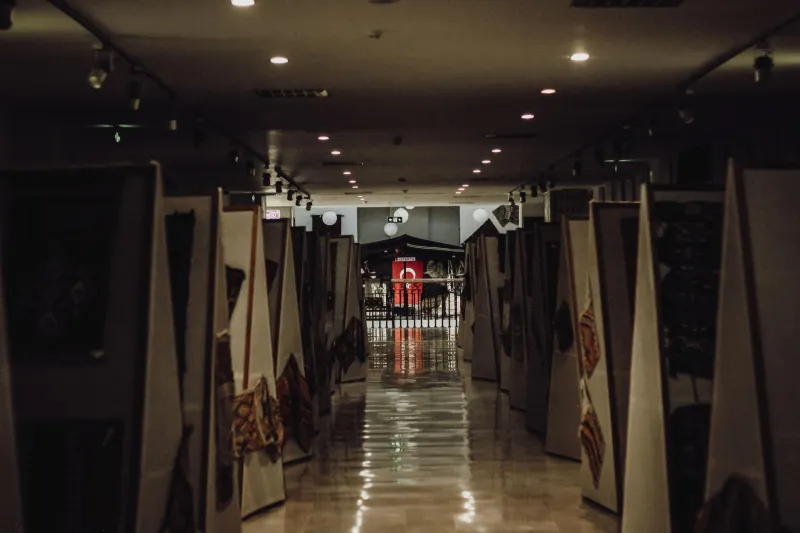
There is a particular sound a gallery makes when nobody is trying to be seen: footsteps, a radiator, maybe a cello drone bleeding from a corner speaker. On the Thursday nearest the full moon, a handful of independent art spaces around the U.S. are chasing that sound. They dim the track lights, push the opening-night cheese board to the side, and let the exhibition sit in something closer to dusk than daylight. The events go by different names — moon viewings, late hours, quiet openings — but the mood is consistent. This is not a party with art on the walls. It is a room asking you to stay longer than you planned.
The Anti-Opening
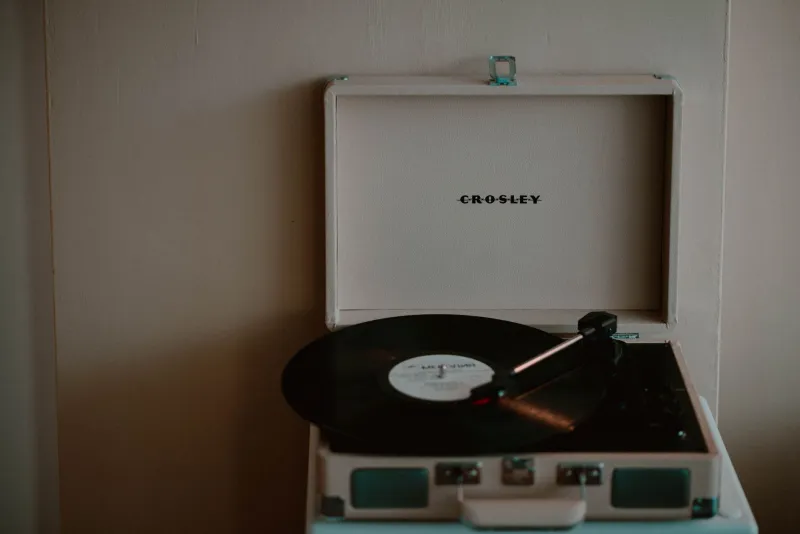
The conventional gallery opening is a networking event with a guest list. You arrive, you scan, you say hello to the same six people, you leave before the wine runs out. Full-moon viewings invert that rhythm. A gallery in Portland might keep its doors open from 7 to 10 p.m., cap capacity at twenty-five, and ask visitors to check their phones at the door — not confiscate them, just park them in a wooden tray. A space in Providence may pair a single exhibition with one ambient record played start to finish, no shuffle. In Tucson, the lighting might be almost entirely candle-adjacent: warm, low, and just enough to make you lean in.
These are not gimmicks for their own sake. They are attempts to solve a real problem: most people experience contemporary art in a state of mild distraction. The full-moon frame gives galleries permission to slow the room down without calling it a wellness event. The moon is a clock that does not care about your calendar. Borrowing its light — or its timing — makes the whole evening feel less like a professional obligation and more like a small, shared secret.
Designing for Dusk
Artists are noticing. Work that might disappear under bright gallery lighting can come alive in a lunar-lit room. A painting with deep umber shadows reads differently when the overheads are off and a few floor lamps do the work. A sculpture with a matte surface might catch just enough glow to feel like it is breathing. Some artists are now making pieces specifically for these conditions: paper works that reward close looking, video installations with low luminance, sound pieces that fill the silence without demanding attention.
That shift matters. For decades, the white cube has been the default — bright, neutral, supposedly objective. Full-moon openings propose something else: a room with atmosphere, a viewing experience with a pulse. It is not anti-intellectual. It is anti-autopilot. You cannot skim a show in this light. You have to stand still. You have to wait for your eyes to adjust. That waiting is the point.
Why Crowds Are Staying Home
There is a practical reason these nights are drawing audiences. People are tired. Not just tired of crowds, but tired of the performance of being cultured in public. A low-lit gallery with a twenty-five-person cap feels manageable. You can hear yourself think. You can look at one piece for fifteen minutes without someone stepping in front of you to take a photo. You can leave without explaining why you are leaving.
Galleries, in turn, are finding that smaller events build deeper relationships. A packed opening might generate a few newsletter sign-ups. A quiet full-moon viewing generates conversation. People stay. They ask questions. They come back the next month. For small spaces with limited budgets, that trade-off makes sense: less spectacle, more stickiness. The moonlight is the hook, but the hospitality is the retention strategy.
A Different Kind of Calendar
What is striking about these events is how naturally they fit the lunar cycle. The full moon is bright enough to notice, brief enough to feel special, and recurring enough to build a habit. It gives galleries a ready-made cadence that is not tied to the art-world calendar of fairs, biennials, and season openers. A full-moon viewing can happen in February or July, in a storefront or a converted garage. It does not require a press release. It requires a decision to keep the lights low and the door open.
That cadence also changes what visitors expect. You are not there to see everything. You are there to see something. One room, one show, one hour of actual looking. The moon does not rush across the sky. Neither should you.
What to Bring and What to Leave Behind
If you go, bring less than you think. A light jacket, maybe a notebook if you are the type. Leave the urge to cover the whole gallery in twenty minutes. Leave the impulse to compare the show to something you saw in Chelsea or on a screen. Full-moon viewings are not trying to compete with the big institutions. They are trying to offer a different pace — one that treats attention as a form of generosity.
And if you cannot find one near you, consider the template. A small gallery, a late hour, a few lamps, a record, a handful of people who agreed to be quiet together. The moon does the rest. It is not a movement, exactly. It is a mood that happens to have a schedule. Sometimes that is enough.