The Scent Calendar: How Small Perfumers Let the Moon Set the Batch Schedule
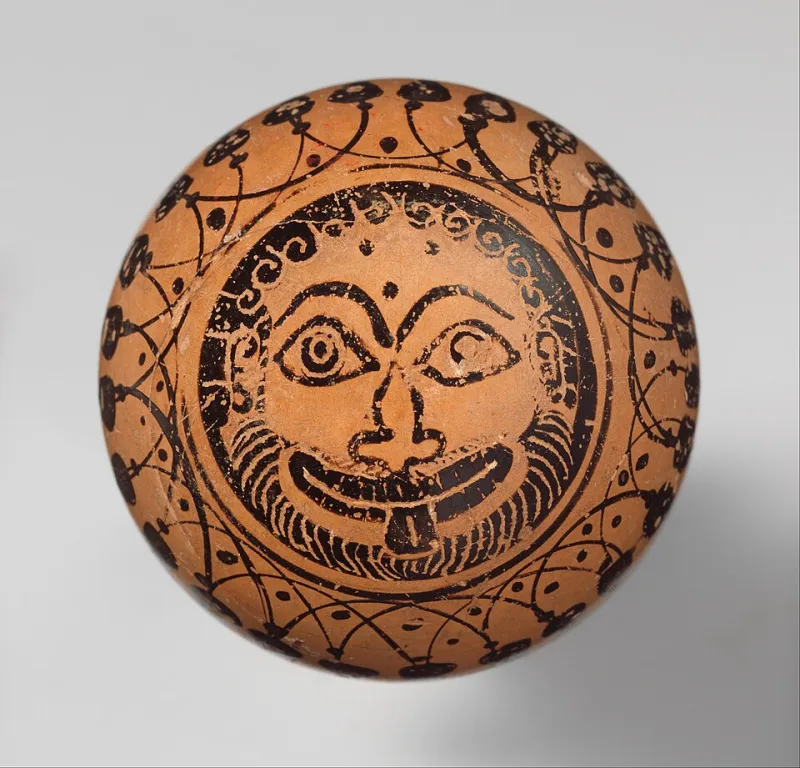
Photo: Unknown, CC0, via Wikimedia Commons
On a cold November evening in 2026, a perfumer in the Hudson Valley labels a row of amber jars with dates, batch numbers, and a note that reads “last-quarter strain.” The studio smells like cedar, dried orange peel, and the faintly sweet dust of orris root. There is no altar, no crystal grid, no dramatic incantation. The moon is doing quieter work here: it is keeping the calendar.
That is the first thing to understand about the small American perfume studios blending by lunar phase. For most of them, the moon is not a supernatural ingredient. It is a project manager with a very old-fashioned sense of time. A new moon might mark the start of a tincture. A full moon might set the harvest date for a botanical. A waning phase might be when oils are strained, labeled, or left alone. The specifics vary from studio to studio, which is part of the point. There is no central rulebook for moon-timed perfume, only a shared interest in making scent at a pace that feels human.
A Calendar You Can Smell
Small-batch perfumery is already a slow medium. Oils macerate for weeks. Alcohol needs time to settle. Resins dissolve on their own schedule. A finished fragrance may spend months moving from idea to bottle. In that context, the lunar cycle becomes a useful external rhythm—roughly twenty-nine and a half days, familiar enough to plan around, strange enough to interrupt the usual hurry.
One Portland-based perfumer describes using the new moon for inventory and planning, the first quarter for starting fresh infusions, the full moon for checking and turning jars, and the last quarter for straining and bottling. Another studio in Asheville works almost in reverse, harvesting garden herbs at the full moon and letting blends rest through the dark of the moon. A Santa Fe maker schedules tiny release batches around the waxing crescent because that is when customers seem most likely to open an email. None of these systems are scientifically necessary. They are organizational rituals, and they work because they give a solitary maker a structure that is not a factory clock.
The batches themselves tend to be small: thirty bottles, eighty bottles, maybe two hundred for a popular seasonal scent. That scale makes the lunar calendar practical rather than precious. You can afford to wait a week for a tincture to settle. You can afford to miss a full moon if the weather turns. You can also afford to notice what changes when you are not rushing.
The Studio Is the Product
Moon-timed perfume has found a modest but curious audience in the US, especially through craft fairs, indie beauty shops, and direct online sales. Labels often include the phase and date of bottling: “Poured on the waning gibbous, October 2026.” Limited drops are announced with the moon rather than with a marketing department. Customers are invited to smell a batch, not a brand promise.
That framing matters for small studios that cannot compete on scale or advertising budgets. A moon-timed fragrance offers a story that is easy to understand and hard to mass-produce. It also gives buyers a way into the craft. Instead of asking whether the scent is “natural” or “clean”—two words that mean very little in perfumery—they ask when it was made, what is inside, and why the maker waited. The moon becomes a conversation starter.
The appeal is not necessarily mystical. Many customers are simply drawn to the idea of a product with a visible rhythm. In a market full of same-day shipping and constant new releases, a bottle that says “bottled at the last quarter” feels like a small act of resistance. It suggests that someone paid attention. It suggests that time is an ingredient.
What Changes When the Moon Is in Charge
Does the practice actually change the creative work? In chemistry, no. Moonlight does not alter the molecules in bergamot or sandalwood. A tincture does not know what phase it was started under. Any perfumer who claims otherwise is making a poetic claim, not a laboratory one. But the ritual can change the maker, and that can change the perfume.
A schedule built around lunar phases forces decisions earlier. It makes waiting visible. It turns a vague intention—“I should let this sit longer”—into a dated checkpoint. It also creates useful constraints: if a batch is meant to be strained at the next last quarter, the perfumer has to stop fiddling with it. That can be a relief in a craft where the temptation to adjust is endless.
There is a practical limit, too. Weather, supply delays, and the simple fact of human life can break any moon schedule. Some studios treat the phases as gentle guideposts and abandon them when they become stressful. Others are stricter, but even they tend to describe the moon as a way to stay attentive rather than a way to guarantee a result. The best moon-timed perfume does not smell like superstition. It smells like someone had the patience to let the materials finish speaking.
A Clock With No Numbers
For Nine Moons readers, the pleasure of this trend is not in proving or disproving anything. It is in watching a craft choose its own clock. A small perfume studio already runs against the pace of mass beauty: fewer scents, slower releases, more handwritten labels. Adding the lunar cycle does not make the work more magical. It makes the work more deliberate.
On that November evening in the Hudson Valley, the perfumer screws the lid onto a jar and writes the next date in a paper calendar. The moon is not going to improve the orris root. But it will make sure the root is not forgotten. In a small studio, that may be the real luxury: a rhythm that keeps the maker close to the work, one phase at a time.