Log Off Until the Moon Says So: The Indie Games Built on Real Lunar Time
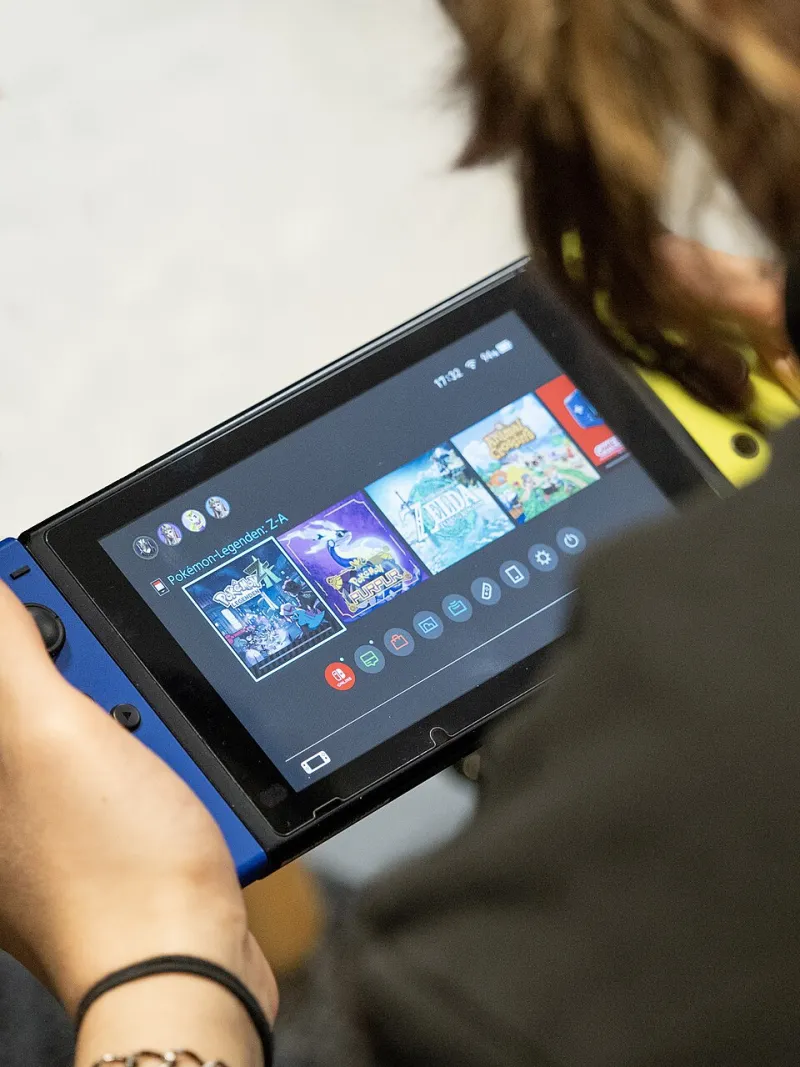
Photo: InclusiveGameLab, CC BY-SA 4.0, via Wikimedia Commons
You boot up the game at 9:12 on a Tuesday, coffee going cold, ready to sink in. Instead of a title screen, you get a door. It's shut. A line of text underneath it reads: The seed bed is resting. Come back at the new moon.
That's the whole evening. There is nothing else to do. You close the laptop and go to bed.
For anyone raised on the idea that a game should reward the hour you give it, this is close to heresy. And yet a small, stubborn cluster of American indie designers has spent the past few years building exactly this — games whose content unlocks against the real lunar calendar, not a timer. You don't grind to the next phase. You wait for it. Outside. In the sky. With everybody else.
The Clock Was Already in the Room
Real-time games aren't new. Animal Crossing has kept its own clock since 2001, scolding you gently for playing at 3 a.m. Pokémon taught a generation that Eevee evolves into Espeon or Umbreon depending on whether the sun is up. Stardew Valley's seasons roll past in tidy 28-day blocks. And then there's The Longing, the German-made curiosity where a little Shade waits 400 actual days for a king to wake — a game that basically dares you to leave it alone.
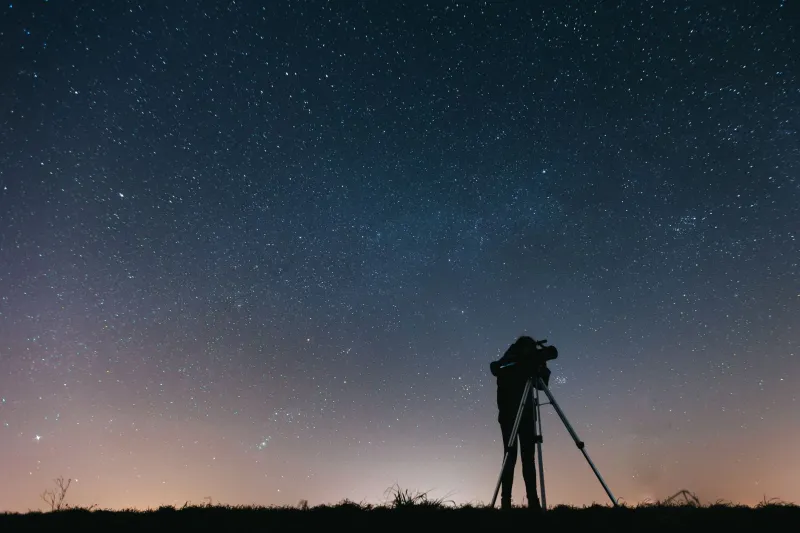
What's changing is the source of the clock. Instead of a server timestamp or an in-fiction day counter, a handful of newer projects are reading the sky itself. Not a simulation of the moon — the moon. Players in Maine and players in Arizona get the same phase, the same slow drip of content, the same forced patience.
Search "lunar" on itch.io and you'll find the beginnings of a shelf: small experiments, jam entries, half-finished dream projects. Most are rough. A few are genuinely lovely. Nearly all of them share one design rule, and it's the rule that makes publishers nervous: the player cannot speed this up.
Four Weeks, One Save File
The structure tends to look like this. A new moon opens a fresh cycle — a blank plot, an empty page, a quiet village with the lights off. First quarter is for doing: planting, building, sending something out into the world. The full moon is the loud night, the market, the festival, the moment the town fills up. Then the waning weeks are for gathering in, harvesting, letting things wind down. By the last quarter, the game is mostly asking you to put things away.
It's an old rhythm wearing new clothes. Anyone who has kept a garden knows the shape of it. So does anyone who has ever flipped to the back of a farmer's almanac to check a planting date, or grown up around a county extension office's cheerful, slightly superstitious planting charts.
That's not an accident. Several of the designers working in this space talk about the lunar calendar less as a mystical gimmick and more as a pre-existing user interface — one that rural America has been beta-testing for a couple hundred years. The Old Farmer's Almanac still prints moon-phase gardening tables. 4-H calendars, seed catalogs, and church supper schedules all run on roughly the same four-week beat. Borrow it, and you inherit a structure players already half-remember.
The Folklore Trap
The obvious risk is werewolves.
Lunar folklore in games usually means lunacy, transformation, blood, howling. And sure, there's a version of this genre that leans hard into harvest-moon horror and gets it over with in one spooky weekend. But the projects that hold up tend to treat the moon as a calendar rather than a monster. The moon names alone — worm moon, strawberry moon, hunter's moon, cold moon — are basically a year's worth of level titles sitting there for free.
A few designers have leaned into the more domestic end of that folklore: mending, preserving, keeping accounts, writing letters. Which, if you've been reading Nine Moons for a while, will sound familiar. We've written about waning-moon mending circles and lunar release schedules for records. It turns out the same instinct shows up in game design, just with a controller in your hands.
Why Waiting Reads as Radical in 2026
Here's the part that feels genuinely strange. In a year when most software is engineered to keep you inside it — streaks, dailies, push notifications, a battle pass that expires if you go to your cousin's wedding — a game that tells you to leave is almost a political act.
Appointment play isn't new; it's how television worked for fifty years. But games mostly abandoned it. These lunar projects bring it back, and they bring back the thing that came with it: conversation. When everyone's full-moon event fires on the same night, the Discord lights up at once. People compare screenshots the next morning the way people used to recap a Sunday-night episode at the office.
Binge-proofing also forces designers to make the time you do play count. If a player only gets six evenings a month, you can't fill them with fetch quests. You have to make the full moon feel like something.
The Off Nights Are the Point
Which raises the obvious question: what are you supposed to do for the other twenty-four days?
Nothing, ideally. Or rather — the intended answer is: be somewhere else. Tend an actual plant. Walk to the window. Finish the book. The game isn't trying to fill your calendar; it's trying to give you a rhythm and then get out of the way.
That's a hard sell in an industry that measures success in hours played. It's also why most of this work lives in the indie margins, funded by day jobs and small Patreon pledges, rather than on a storefront's front page. Nobody's quarterly earnings depend on you waiting until Thursday.
But the audience is there, and it's not just the cozy-games crowd. It's the people who already keep a moon journal, who already know what phase it is without checking, who like the idea of a game that shares a wall with their life instead of replacing it.
What Comes After the Full Moon
Where this goes in 2026 and beyond is anyone's guess. The likeliest outcome is that it stays small — a shelf of odd, handmade things, a few of which get weirdly popular and get copied by bigger studios in softened, optional form. The worst outcome is that "lunar-synced" becomes a marketing tag slapped on a battle pass with a moon on it.
The better outcome is duller and nicer. A handful of games that ask you to look up once a month, remember where you were the last time the moon was full, and notice that the sky has been keeping your save file all along.