Side A, Full Moon: The Cassette Chain That Turns Strangers Into Pen Pals
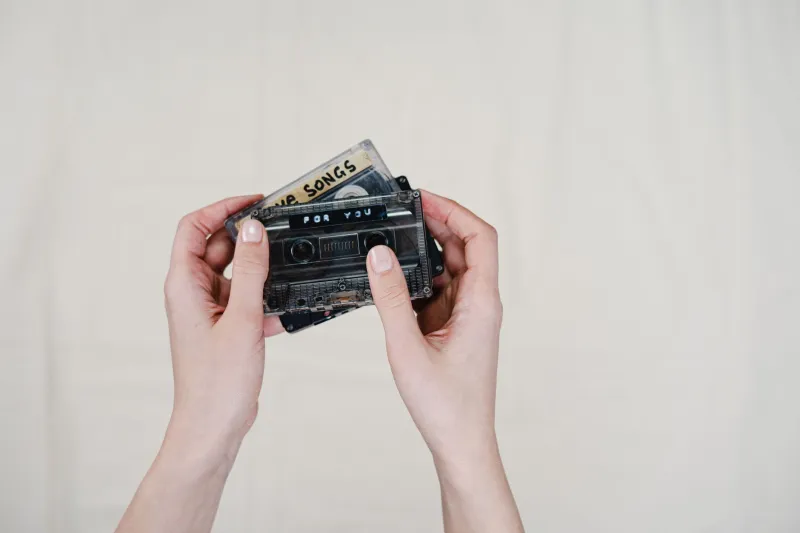
There is a particular sound that fills a room when someone presses play on a cassette they did not make. It is not just the music. It is the soft click of the deck, the hiss before the first song, the knowledge that a stranger somewhere in the U.S. stood over their own machine and made a decision about what you should hear next. In a growing number of full-moon mixtape chains, that stranger is not an algorithm. They are a person with a J-card, a glue stick, and a deadline set by the sky.
The premise is simple enough to explain on a postcard. A small group of people, usually five to twelve, agree to mail one hand-dubbed cassette to one other participant each month. The tape should go out by the full moon. The next month, the chain rotates. No streaming links. No shared playlist. No group chat demanding daily updates. Just an address, a cassette, and a reason to pay attention to the calendar in a way that feels less like a task and more like a tide.
The Moon as a Gentle Deadline
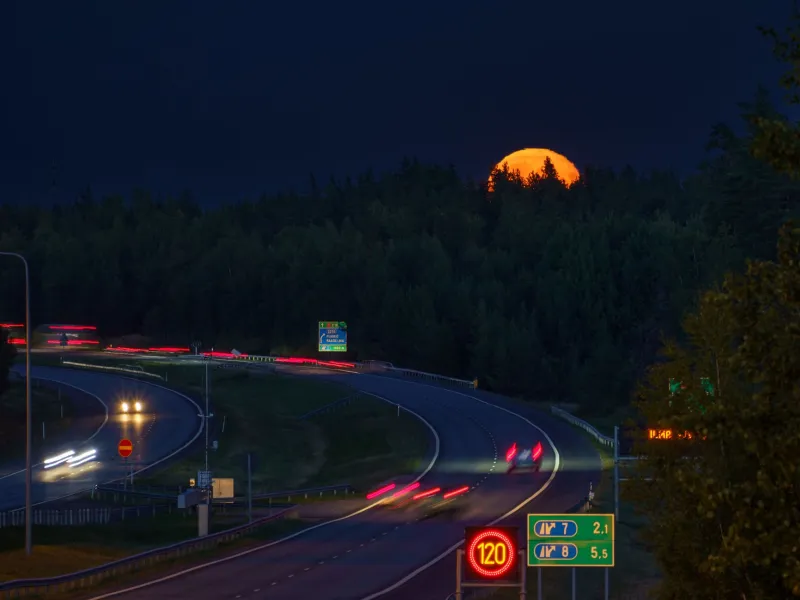
Organizers say the lunar timing is not superstition. It is a shared marker that belongs to everyone and no one. A full moon is easy to spot, hard to ignore, and generous enough to forgive a late-night dub session. It also creates a rhythm that is slower than a text and faster than a letter.
‘We wanted a deadline that did not feel like work,’ says Maya, who helps coordinate a chain that runs through Portland, Tucson, and Asheville. ‘A full moon is visible in all three places. Nobody has to remember a random Tuesday. The moon is the reminder.’
That shared visibility matters. Participants in different time zones can all look up on the same night, more or less, and know that someone else is sealing an envelope or checking the postage. The tape does not need to arrive on the full moon. It only needs to be mailed by then. The distinction is important. It keeps the ritual about intention rather than delivery speed, which is a useful thing to remember in a country where a package can sit in a distribution center for four days and still feel like a small miracle when it lands.
What Goes on the J-Card
The music is only half the exchange. The other half is the paper. J-cards are the little inserts that fold into a cassette case, and in these chains they become a cross between a liner note, a postcard, and a diary page. People draw moons. They write track listings by hand. They tuck in tea bags, ticket stubs, pressed leaves, recipes, and occasionally a list of songs that did not make the cut.
One Minneapolis participant, who has been in the same chain for three cycles, says the constraint is the point. ‘I listen differently when I know one person will hear it,’ she says. ‘I am not trying to impress a crowd. I am trying to make a forty-five-minute case for a mood.’
Themes tend to be loose and lunar-adjacent without being literal. A tape might be songs for walking home after a late shift. Another might be songs that sound better through a window. One organizer admits to a personal rule: no ironic selections. ‘If I would not listen to it in my car with the windows down, it does not go on the tape.’
The Chain Is the Curator
What separates these exchanges from a playlist swap is the chain itself. Each person receives from one participant and sends to another. Over several months, the group builds a map of taste that no single person designed. Someone in Brooklyn gets a tape from someone in Austin and sends one to someone in rural Maine. The geography becomes part of the listening.
Organizers say the best chains stay small and lightly managed. A coordinator keeps the address list, sends one reminder before the full moon, and then steps back. The worst thing a chain can do is turn into another inbox. That means no daily check-ins, no required reviews, and no pressure to digitize the tape for anyone who missed it. If a cassette gets lost, the group waits for the next moon. The ritual absorbs the failure.
There are practical limits. Postage costs add up. Addresses need to be handled with care. Some chains use PO boxes or ask participants to share only what they are comfortable sharing. Others keep the whole thing offline after the initial sign-up, with a paper roster tucked into a drawer. The analog format is not an excuse to be careless. It is a reason to be deliberate.
Why the Wait Works
The pleasure of the chain is not nostalgia for a dead format. It is the reintroduction of surprise. You cannot skip ahead. You cannot see the track list before you press play unless you unfold the J-card first, and even then the sequencing is a small act of faith. The tape arrives when it arrives. You listen when you listen. The moon comes back around, and the chain begins again.
‘The deadline is gentle,’ says a participant in Asheville. ‘It is a moon, not a boss.’
That might be the whole appeal. In a culture that treats music as an infinite feed, a full-moon cassette chain offers a finite object with a human fingerprint on it. It asks for patience, a little postage, and the willingness to let a stranger choose Side A.
Sidebar: Start a Chain Without Starting Another Inbox
-
Keep it small. Five to eight people is enough for variety and manageable enough that no one becomes a help desk.
-
Pick one coordinator. That person holds the address list, assigns the pairings, and sends a single reminder before each full moon. One email per cycle is plenty.
-
Set the deadline as mail-by, not arrive-by. The full moon is the send date. What happens after that is between the sender and the USPS.
-
Protect privacy. Use a sign-up form that explains how addresses will be shared, or ask participants to use PO boxes if they prefer. Do not post addresses in a chat.
-
Give the J-card a prompt, not a rule. A simple phrase like songs for the walk home or songs that sound better late is enough to get people started without turning the tape into homework.
-
Skip the group chat. If you need a communication channel, use a single email thread or a paper roster. The point is to move the conversation to the mail.
-
Let lost tapes be lost. A missing cassette is not a crisis. It is a reason to try again next moon.