Seven Records for Seven Skies: A Slow-Listening Guide to the Lunar Month
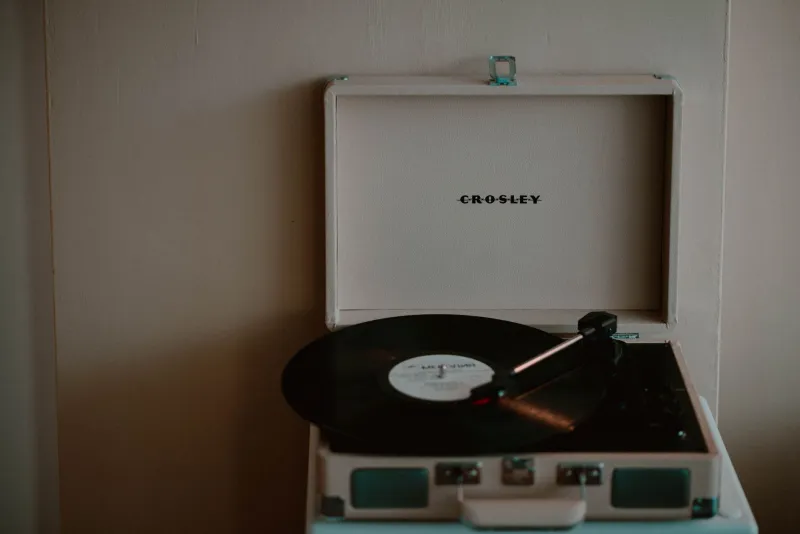
Most of us listen to music the way we scroll: shuffle, skip, repeat the hook, move on. A lunar listening practice is the opposite. You pick one record, you pick one night, and you let the moon set the mood. The point is not to be precious about it. The point is to sit still long enough to notice the texture of a song—the room tone, the breath before the chorus, the way a album side ends.
Here is a guide for one lunar month. Seven records, one for each phase from new moon to waning crescent, and one silent night for the last quarter. All are by American artists or underheard gems, and none require special equipment beyond a speaker and twenty minutes of not looking at your phone.
New Moon: Elliott Smith, New Moon (2007)
The new moon is a dark sky, and this posthumous double album of outtakes is not a capital-S statement. It is a drawer of songs—acoustic, close, sometimes barely finished. Play it without checking the track list. The point is the hush. Smith’s voice sits right at the edge of the microphone, and the spare arrangements make the room feel larger than it is. This is music for the night you turn off the porch light and leave the window open.
Waxing Crescent: Julie Byrne, Not Even Happiness (2017)
A sliver of light. Byrne’s second album is folk with a wide sky in it: fingerpicked guitar, strings that arrive like weather, a voice that never pushes. ‘Natural Blue’ is the song most people mention, but let it arrive on its own. The record is underheard in the best sense—it does not ask to be liked, it just keeps its own pace. Good for the first clear evening after a stretch of rain.
First Quarter: Jessica Pratt, Quiet Signs (2019)
Half-lit, a decision point. Pratt’s songs are short, dusty, and strange, with a production style that sounds like it was recorded in a closet lined with old blankets. The whole album runs under thirty minutes, which makes it perfect for the first quarter: enough light to see by, not enough to get comfortable. Listen for the way her voice doubles itself on ‘Crossing.’ It is a small trick that never gets old.
Waxing Gibbous: Cassandra Jenkins, An Overview on Phenomenal Nature (2021)
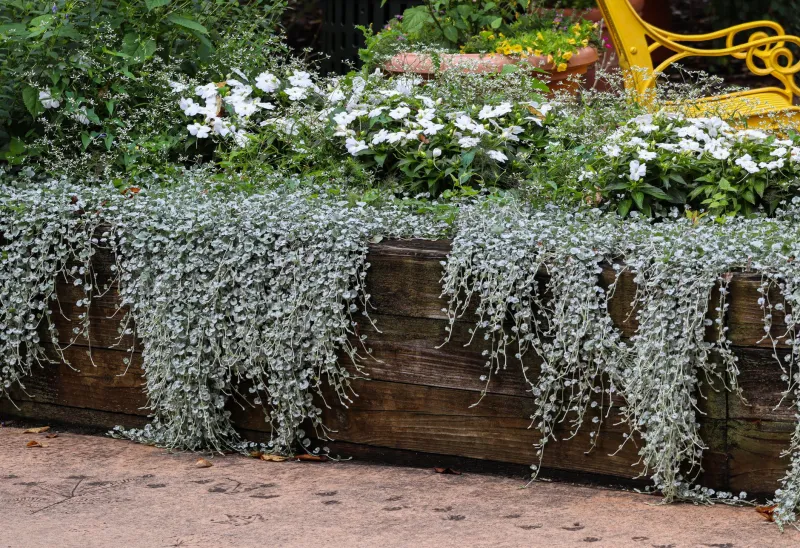
Nearly full, a little giddy. Jenkins’s spoken-word passages and soft saxophone make this record feel like a walk after dinner—a long one, the kind where you take the scenic route home. It swells without shouting. ‘Hard Drive’ is the centerpiece, but the whole album has a diaristic quality that rewards a front-to-back listen. This is the phase when the garden looks silver and the neighborhood feels newly interesting.
Full Moon: Grouper, Dragging a Dead Deer Up a Hill (2008)
Peak light. Grouper—Liz Harris—makes foggy, gorgeous songs that feel lit from behind. The title is heavier than the music; the music is a pale field, all reverb and restraint. On a full moon, the temptation is to play something big and obvious. Resist. This record is big in a different way. It gives the night a center without filling it up.
Waning Gibbous: Lomelda, Hannah (2020)
The afterglow. Lomelda’s Hannah Read writes diaristic songs that feel like texting a friend from a parked car—intimate, a little funny, more honest than you expected. This is an underheard record that deserves a wider audience. The production is warm and close, and the songs have a way of turning a corner just when you think you know where they are going. Good for the night after the full moon, when everything feels a little softer.
Waning Crescent: Adrianne Lenker, songs (2020)
Thin light, rest. Lenker’s solo record is mostly voice and guitar, recorded in a cabin with a minimum of fuss. ‘zombie girl’ and ‘anything’ are the ones people know, but don’t skip to them. The album works as a whole—a slow exhale at the end of the cycle. This is the phase for lying on the floor with the lights off, or for sitting on the back steps while the sky goes gray.
The Eighth Night: Last Quarter Is a Silent Night
Traditional lunar calendars count eight phases. We are giving you seven records and one night off. The last quarter is for no input—no podcast, no playlist, no shuffle. Take a walk. Listen to the neighborhood. Let the records settle.
How to Build a Monthly Listening Practice
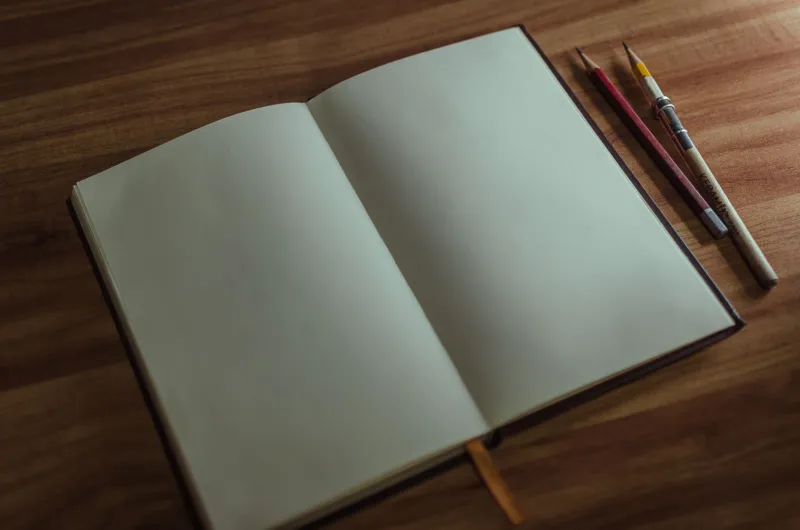
First, pick one night per phase and put it in your calendar. It does not have to be the exact astronomical moment; close is fine. Second, listen front to back. No shuffle, no skipping. Third, put your phone in another room. Use a speaker or headphones, not laptop speakers. Fourth, keep a one-line note after each listen: the weather, what you noticed in track three, whether the record felt different at the end than at the start. Fifth, go outside for two minutes before and after. Look at the moon. That is the whole ritual.
Rotate the records monthly if you want, or keep the same seven for a year. The point is not to collect albums. The point is to build a habit of attention—one night at a time, one phase at a time, one record at a time.