Strings, Shadows, and No Moon at All: The Puppet Shows Built for the Darkest Night
Photo: Jimmie, CC BY 2.0, via Wikimedia Commons
On a recent new-moon Saturday, the only light inside a former church hall in Providence, Rhode Island, came from three oil lamps and a row of paper lanterns the color of weak tea. The audience filed in without being told to silence their phones; a sign at the door did the work. By 7:40 p.m., the room was dark enough that you could feel people blinking.
This is a Lantern & Bone Puppet Works show, and the darkness is not a budget shortcut. It is the set.
The Company That Waits for the Dark
Lantern & Bone is one of a loose network of small U.S. puppet companies that schedule performances around the new moon, when the night sky offers no natural spotlight. The company has been running these shows since 2019, first in a borrowed garage and now in the church hall. Eleven members, most with day jobs, build everything themselves: papier-mâché heads, basswood rods, wire joints, old bedsheets dyed for shadow screens.
Maya Ellison, the company's founder and lead builder, says the new moon started as a practical solution. Storefront windows leaked streetlight. Theatrical gels looked flat. 'The moon is not helping us tonight,' she says, standing near the door as ticket holders arrived. 'So we stop pretending it ever did.'
The schedule is not just logistics. The company treats the dark moon as a reset, a monthly excuse to test scenes without polish. They rehearse in the week before the new moon, then perform on the darkest night they can get. If clouds roll in, fine. If the sky is clear, also fine. The point is the absence of borrowed light.
Rehearsal by Candlelight
Earlier that week, the company rehearsed in the same hall with the overheads off. A single candle sat on a folding table. The director, Jonah Reyes, asked two puppeteers to run a six-minute scene twice: once under a battery-powered work light, once with the candle alone.
The difference was not just visibility. It was tempo. Under the work light, the puppeteers moved at a normal clip, hitting cues, adjusting rods. Under the candle, they slowed down. A turn of a puppet's head took an extra beat. A handoff between puppeteers became a small ceremony. 'You cannot rush a shadow,' Reyes said. 'It arrives when it arrives.'
The company uses tabletop puppets and rod puppets, mostly operated from below or behind a low screen. In the dark, the puppeteers wear black hoodies and gloves, but they do not disappear. The audience can see a wrist, a bent elbow, the edge of a face. That is intentional. The show is not trying to fake a movie. It is trying to make the labor visible.
What Darkness Does to an Audience
At the Saturday performance, the first ten minutes had no dialogue. A paper moon rose on a stick, wobbled, and sank. Someone in the back coughed. The room adjusted. Without lit faces to watch, attention moved to sound: the creak of a rod, the rustle of rice paper, a low hum from a crank-operated music box.
The pacing changed, too. The company stretched a 75-minute show across two acts with no intermission. Scene changes took longer than they would in a lit theater, because the audience had to wait for their eyes to catch up. Nobody seemed to mind. The darkness gave everyone permission to be a little slower.
Ellison says the company caps new-moon shows at 60 seats. Any more and the room gets too warm, too noisy, too social. The audience becomes part of the performance. At one point, a child whispered, loud enough for the front row, 'Is the moon real?' The puppet moon paused. The puppeteer let it. The laugh that followed was not scripted.
The Handmade Part Is the Point
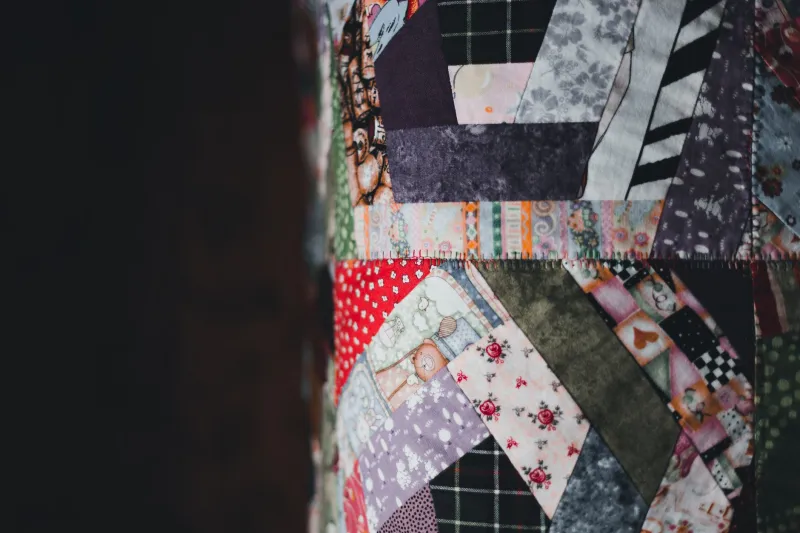
In silhouette, every seam shows. A puppet's taped knuckle becomes a character trait. A patch on a cloth body reads as a scar. The company keeps a repair ledger, noting which joints fail and which fabrics glow best under lamplight. They use linen thread, wheat paste, and beeswax. Nothing is hidden because hiding is impossible.
That is what makes the format feel less like theater and more like a craft demonstration with a story attached. The new moon removes the option of spectacle. There are no projections, no fog machines, no colored lights. There is a screen, a lamp, a puppet, and a person making it move.
After the show, the company lit the lanterns again and brought out cider in paper cups. The audience stayed for twenty minutes, asking about joints and rods. Ellison passed around a puppet head the size of a grapefruit. Its jaw was held on with a brass hinge and a strip of linen. 'You can see the wire,' she said. 'You can see the glue. That is the craft.'
A Different Kind of Night Out
Not every new-moon puppet show is solemn. Lantern & Bone builds in jokes: a fake moon that refuses to stay up, a crow puppet that steals a star, a narrator who apologizes for the dark. The humor lands differently when the room is actually dark. People laugh with their whole bodies, then settle back into quiet.
By 11 p.m., the company was packing rods into a laundry basket and folding the screen. Outside, the street was ordinary again, lit by porch lights and a convenience store sign. The new moon had done its job. For 75 minutes, nobody had reached for a phone. Nobody had asked for more light.
Ellison stood by the door with a lantern in each hand. 'We send people home with their eyes wide,' she said. 'That is the whole review.'